
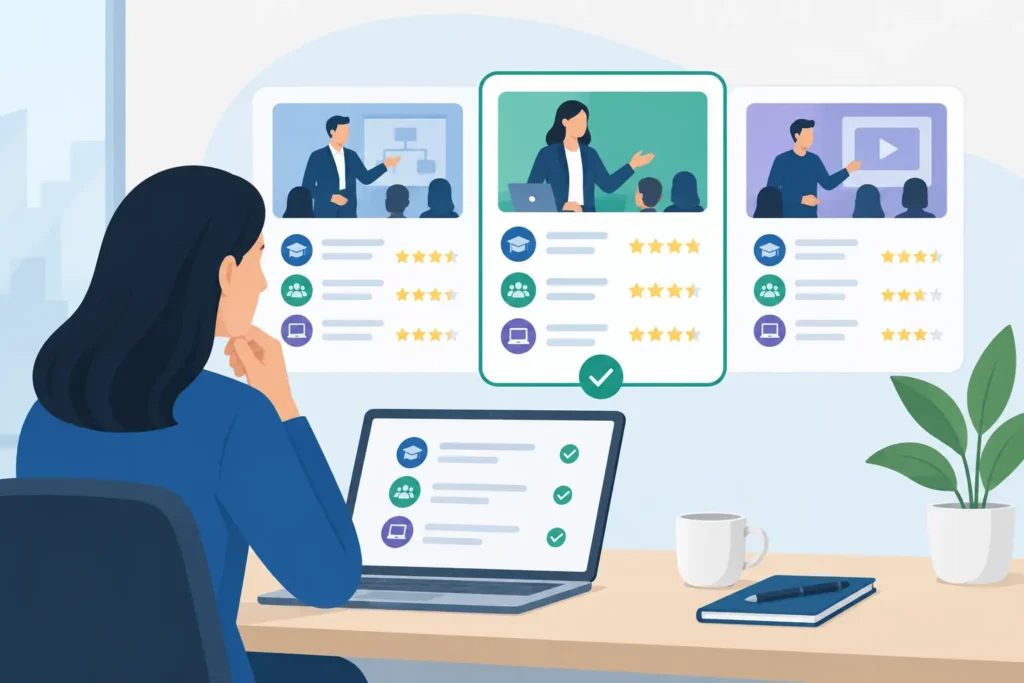
Construction professionals do not need another generic project management course. They need PMI-CP training providers that understand the realities of contracts, scope changes, cost pressure, stakeholder coordination, and project delivery in the built environment. The right program should help you prepare for the PMI Construction Professional certification while strengthening skills you can apply on active projects.
For working engineers, project coordinators, site managers, planners, quantity surveyors, and project controls professionals, provider selection affects more than classroom experience. It influences how efficiently you prepare, whether the material reflects the exam, and whether the course schedule is realistic alongside demanding project responsibilities.
What PMI-CP Training Providers Should Deliver
PMI-CP is designed for professionals working in construction and the built environment. Its focus goes beyond general project management concepts. Preparation should address the commercial, contractual, stakeholder, scope, and governance issues that regularly shape construction outcomes.
A suitable training provider should therefore offer a structured course that connects certification content to construction practice. If instruction stays at a broad, theoretical level, learners may understand terminology without developing the judgment required to interpret scenario-based questions or apply the concepts at work.
Look for a program that clearly explains its course scope, contact hours, learning format, and instructor background before enrollment. Ambiguous course descriptions are a concern. A serious provider makes it easy to see what will be covered, how long the program takes, and how learners are supported from the first session through exam readiness.
Construction knowledge matters
An instructor does not need to have worked on every type of construction project. However, they should be able to explain how project management principles change when contracts, procurement packages, design interfaces, claims exposure, and site constraints are involved.
Ask how the course treats practical issues such as scope definition, stakeholder alignment, risk ownership, quality expectations, and communication across contractors, consultants, clients, and suppliers. The strongest training turns these subjects into clear decision-making frameworks rather than disconnected definitions.
Exam alignment matters just as much
Certification preparation must remain aligned with the current PMI-CP exam requirements and official guidance. A provider should explain how its materials are maintained, how practice questions are used, and whether the course addresses the domains candidates are expected to understand.
Do not assume that a general PMP, CAPM, or construction management course automatically prepares you for PMI-CP. Those programs can build useful foundations, but they are not substitutes for training designed around this credential’s construction-centered context.
How to Compare PMI-CP Training Providers
The best choice depends on your experience, schedule, preferred learning style, and target exam date. A site engineer managing daily field activity may need weekend live classes. A project controls professional with a predictable office schedule may prefer an intensive weekday course. Neither format is inherently better if the instruction, materials, and support are strong.
Use these five criteria to compare providers before making a commitment:
- Instructor credibility: Review the trainer’s certifications, teaching experience, and practical exposure to project and construction environments. An instructor should be able to answer applied questions with clarity, not simply read from slides.
- Course structure: Confirm the duration, session plan, delivery mode, and expected study commitment. A well-organized course gives busy professionals a realistic path from enrollment to exam preparation.
- Learning materials: Look for focused study resources, instructor-led explanations, exercises, and relevant practice assessments. Materials should be current, organized, and clearly connected to the certification objectives.
- Flexible delivery: Classroom, live online, and blended formats each have value. The key is access to scheduled instruction and interaction, not merely a library of recorded videos.
- Learner support: Ask what happens after the last class. Useful support may include clarification sessions, exam-preparation guidance, access to recordings where appropriate, or assistance understanding the certification application process.
Price should be evaluated in context. A low-cost course may be reasonable for an experienced candidate who only needs a refresher. For professionals who need structured instruction, quality materials, and direct access to an expert trainer, paying for a more complete program can save time and reduce the cost of retaking an exam.
Check the Schedule Before You Enroll
Training quality has little value if you cannot attend consistently. Construction work can be unpredictable, especially during mobilization, major concrete works, testing, commissioning, or closeout. Before enrolling, compare the schedule to the actual demands of your role rather than the schedule you hope to maintain.
Intensive courses can work well when you have a clear exam timeline and can protect several consecutive days for study. They create momentum and help candidates complete the learning phase quickly. The trade-off is that the pace can be demanding, particularly for learners who are new to formal project management terminology.
Evening, weekend, or multi-week programs provide more time to reflect on the material and balance preparation with work. They are often a practical option for full-time professionals, although they require discipline over a longer period. If you choose this format, set aside regular study time between sessions instead of waiting until the course ends.
For online delivery, ask direct questions about attendance and interaction. Is the course live? Can you ask questions during the session? Are there practical discussions and guided explanations? Live instructor-led online training can be highly effective when it is managed with the same rigor as a classroom course.
Ask Questions That Reveal Course Quality
A provider’s response to your questions is often more informative than its marketing language. Ask who delivers the course, how the provider keeps content current, and what learning support is available. Request a clear outline of the training agenda and confirm whether the course is designed specifically for PMI-CP candidates.
It is also sensible to ask about the expected learner profile. A course built for experienced construction professionals may move too quickly for someone transitioning from a technical role into project management. Conversely, an overly basic program may not provide enough value for an experienced project engineer or commercial professional.
Be cautious of guaranteed-pass claims. No legitimate preparation program can remove the need for personal study, professional judgment, and familiarity with the exam format. A credible provider can describe its training method, learner support, and past experience without making unrealistic promises.
Build an Exam Plan Alongside Your Course
Training is the starting point, not the entire preparation process. Once you select a provider, set a target exam date that gives you time to review notes, revisit difficult topics, and complete practice questions under timed conditions. Candidates often underestimate the value of reviewing why an answer is correct or incorrect.
Connect the training content to your own projects. When a course discusses stakeholder management, consider a current client, consultant, subcontractor, or internal decision-maker. When it addresses scope or risk, think about where changes, delays, or unclear responsibilities have affected your work. This approach makes the material easier to retain and more useful after certification.
Keep the final weeks focused. Avoid collecting multiple unrelated study sources that use conflicting terminology or duplicate the same content. Start with your provider’s structured materials, the applicable PMI guidance, and a disciplined practice routine. Add other resources only when they solve a specific gap.
Choose Training That Supports Your Next Career Step
The right PMI-CP training provider should give you more than a course completion record. It should offer focused instruction, practical construction context, a workable schedule, and a disciplined path toward certification readiness. For professionals balancing project delivery with career advancement, those details are not extras. They determine whether training becomes another unfinished commitment or a meaningful step toward stronger construction leadership.
Before you enroll, compare the provider’s instructor expertise, format, course plan, and learner support against your own work schedule and certification timeline. A well-chosen program can help turn your construction experience into a recognized credential and a more confident next move.